
H5 bird flu
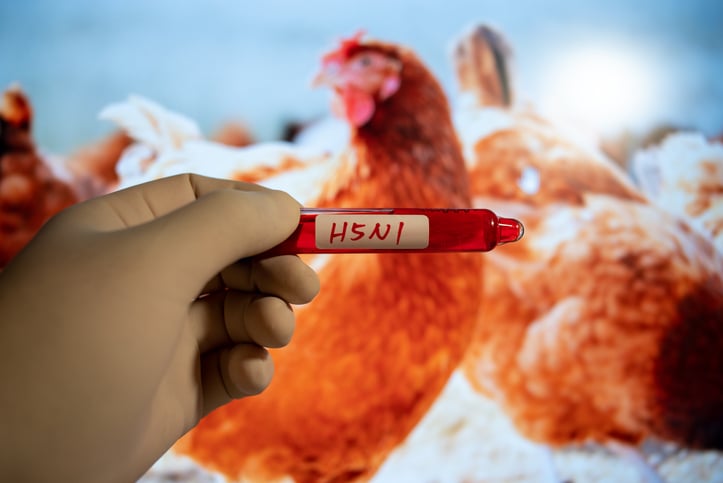
DPIRD is responding to the confirmed detection of H5 bird flu in a number of wild migratory seabirds. H5 bird flu is an infectious viral disease that mainly affects birds.
Which bird species does ‘poultry’ include?
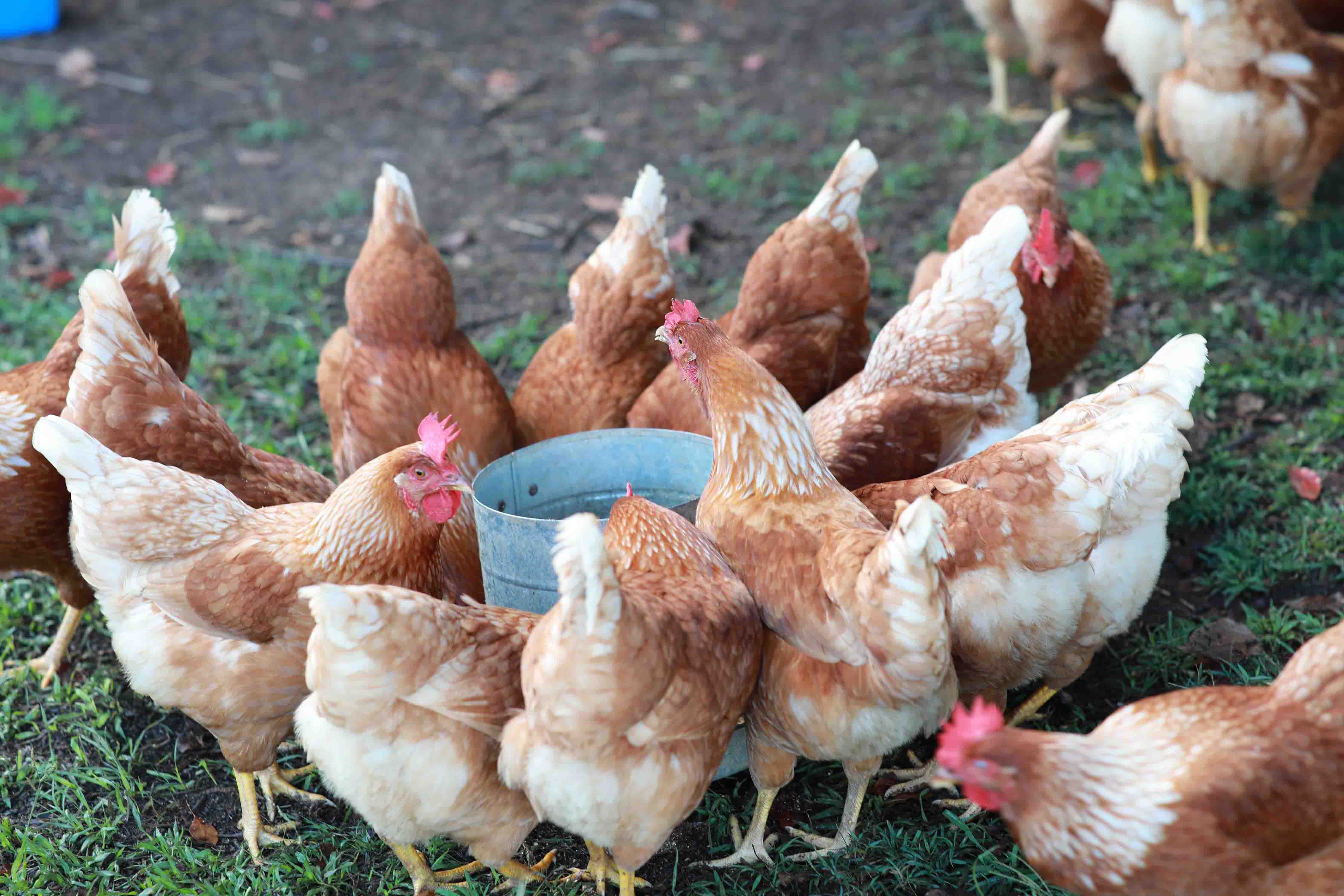
In Western Australia, ‘poultry’ includes domestic chickens, turkeys, geese, ducks, guinea fowls, quails, pigeons, pheasants and partridges and ostriches or emus kept in captivity.
What is a poultry biosecurity plan?
A poultry biosecurity plan describes where and how you keep your poultry, the biosecurity risks specific to your flock, and the actions that will be taken to reduce those risks.
Developing and following a poultry biosecurity plan will help reduce the risk of any disease, including emergency diseases like avian influenza, Newcastle disease and Salmonella enteritidis entering your poultry flock and spreading to other birds.
Poultry biosecurity has the added benefit of boosting flock health, welfare and productivity. The biosecurity plan should be reviewed and updated every 12 months, or whenever a disease or management change occurs.
The Farm Biosecurity website provides resources to help commercial poultry producers to assess the risks on their property and to develop comprehensive biosecurity plans.
Valuable industry resources and biosecurity templates are also available here:
Biosecurity manuals
- National Farm Biosecurity Manual - Poultry Production
- National Water Biosecurity Manual - Poultry Production
- Chickens – Farm Biosecurity
Industry resources
Quick guide to biosecurity for poultry owners
Below is a quick guide to biosecurity to reduce the risk of emergency animal diseases, including any strain of avian influenza, entering your smaller or backyard poultry flocks. More detailed information is available in the weblinks on this page and in the downloadable factsheets.
Wild birds can carry avian influenza even when they look healthy. To reduce the risk of them spreading any strain of avian influenza to your birds:
- Use netting or housing to keep your poultry away from wild birds
- Keep food and water under cover where wild birds cannot access them.
- Clean and disinfect food and water containers, equipment and the poultry house regularly.
- Use treated water sources for your poultry’s drinking water. Surface water such as from dams and lakes can be contaminated by wild birds.
- Prevent wild birds nesting or roosting on the poultry house.
- Limit visitors to your birds. People can spread diseases to your poultry on their clothing, shoes, skin and equipment. Discourage visits from people who also own poultry or other birds.
- Use signs near the poultry enclosure to warn visitors not to enter without owner permission.
- Ensure all visitors to your birds have clean clothes and shoes and have washed their hands before having contact with your birds. You can also offer essential visitors clean boots and overalls to wear while on your property.
- Do not allow visitors to enter if they have had recent contact with sick birds.
- Similarly, avoid visiting other poultry farms or backyard poultry, and ensure you clean vehicles, clothing, shoes and shower before visiting your poultry again.
- Farm workers should not have poultry on their home property if they have contact with your poultry.
- It is recommended that people working with poultry have the annual influenza vaccination.
- Always wash your hands after handling poultry or eggs.
- Keep a visitors register that includes the contact details of visitors to your birds.
- Visitors should park in a visitor parking area, and not drive over areas where poultry may roam.
- Do not share equipment with other bird owners unless it is thoroughly cleaned and disinfected first.
- Only buy healthy poultry from reputable sources and check the flock history. Ask the seller for written details of their vaccinations and medications.
- Isolate new poultry and poultry returning from events for 30 days.
- Monitor new and returning poultry for signs of disease.
- Isolate sick poultry and call a veterinarian if multiple birds are affected or die.
- Care for sick poultry last after you have fed and watered the rest of your flock and ensure you wash hands, shower and change clothes and boots before having contact with your healthy birds.
It is important to call a veterinarian if multiple poultry die or have unusual disease signs, including:
- sudden death
- lethargy or reluctance to walk, eat or drink
- droopy or ruffled feathers
- swollen head or limbs
- dark-coloured wattle, comb
- respiratory signs such as panting, nasal discharge or sneezing
- unusual head or neck posture, lack of coordination, inability to walk or stand
- unusual reduction in egg production, poor shell quality
To report suspicion of an emergency animal disease such as avian influenza or Newcastle disease, call:
- your local veterinarian or DPIRD field veterinary officer
- the Emergency Animal Disease hotline on 1800 675 888.
- If you own 50 or more chickens, turkeys, ducks, geese, quail, guinea fowl, pigeons or game birds, in any combination, or 10 or more emus or ostriches, you are required to register as an owner of livestock with DPIRD.
- Poultry owners are encouraged to register if they have fewer birds, but it is not mandatory. Registering will allow DPIRD to contact you more easily in the event of a disease outbreak.
- Keep a register of bird movements onto and off your property to assist in tracing a disease if it occurs.
Rats, mice and insects can spread disease. To deter them:
- Regularly clean the poultry house and its surrounds.
- Keep vegetation around the poultry house mowed to reduce cover for pests.
- Keep feed and bedding stores securely enclosed to ensure pests cannot access them.
- Clean up spilled feed promptly.
- For more information about H5 avian influenza (H5 bird flu), visit Avian influenza or birdflu.gov.au
- Follow DPIRD social media.
- Subscribe to the DPIRD poultry biosecurity and events newsletter
- Download the factsheets on this page.
Good biosecurity for poultry and pet bird owners
Follow DPIRD on Facebook to stay informed about the latest updates.
See also
-
Wild birds and poultry do not mixpdf (464 KB)
-
Buying poultrypdf (408 KB)
-
Registering as a poultry ownerpdf (432 KB)
-
Poultry biosecurity checklist for backyard flockspdf (248 KB)
-
Poultry biosecurity for exhibitorspdf (443 KB)
-
Safe water for poultrypdf (362 KB)
-
Sick poultry - Is it a reportable diseasepdf (580 KB)
-
Biosecurity guidelines for bird event organisers in WApdf (300 KB)