
-
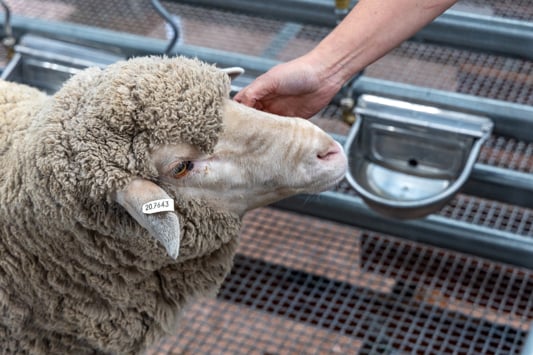
 The SheepLinks program was developed in partnership with Meat & Livestock Australia to increase the profitability and resilience of the Western Australian sheep industry.View more about SheepLinks Program
 -
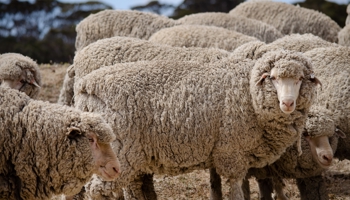
 The MLA Resource Flock project generates data for a reference population for genomic prediction of Australian sheep.View more about MLA Resource Flock
 -
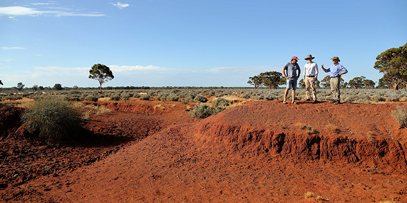 The Southern Rangelands Revitalisation Program has been developed to support pastoralists to investigate and design long-term solutions.View more about Southern Rangelands Revitalisation Program
 -
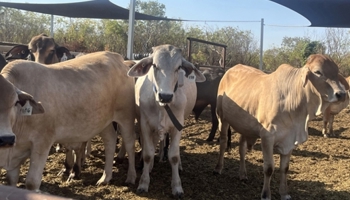 Driving sustainable growth in northern Western Australia’s beef industry by enhancing cattle productivity using irrigated crop by-products.View more about Cropping Enabled Cattle
 -
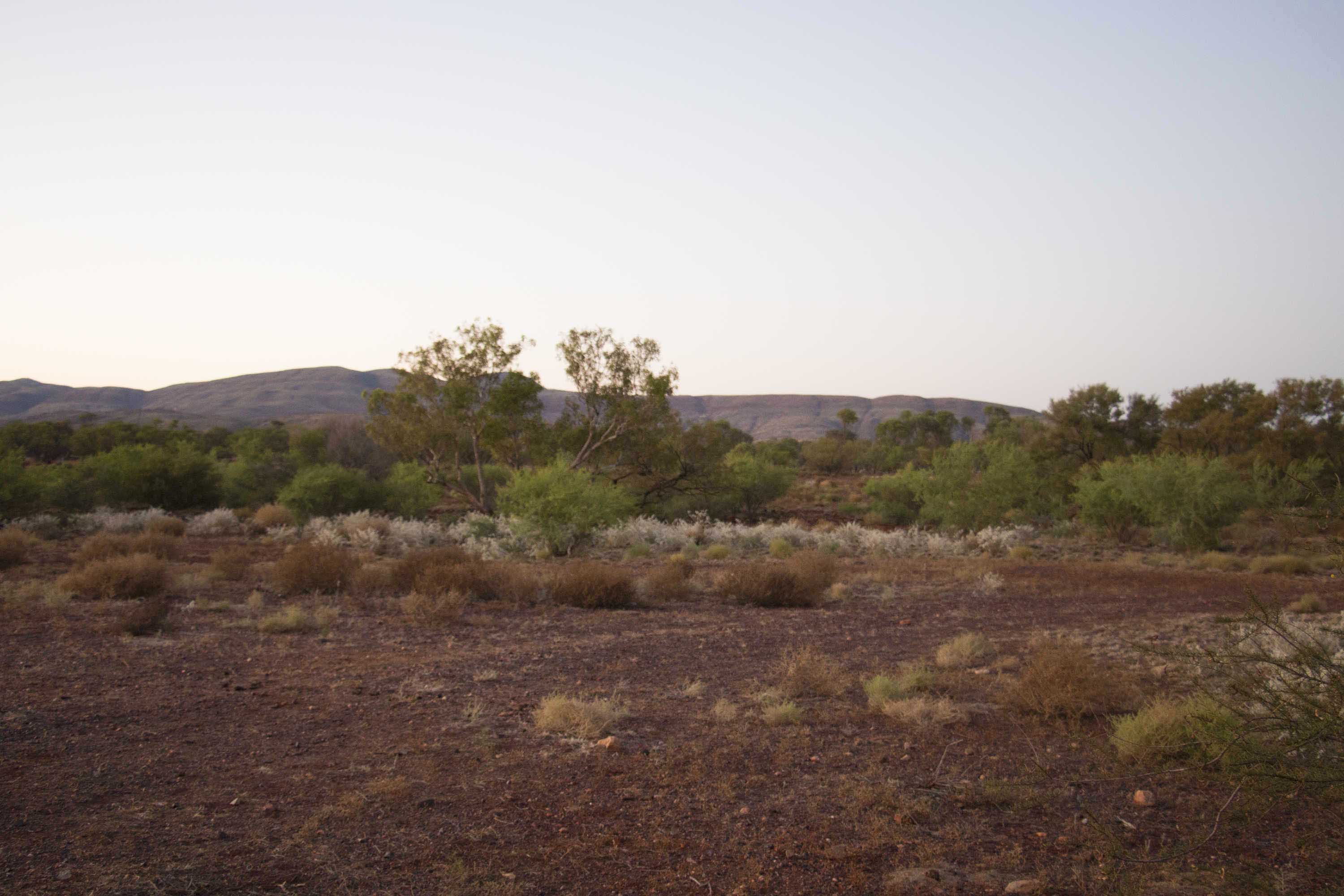 The Northern Beef Development program is part of the department’s integrated approach to building a stronger agriculture and food sector in WA’s north to support local job growth and regional economic prosperity.View more about Northern Beef Development
 -
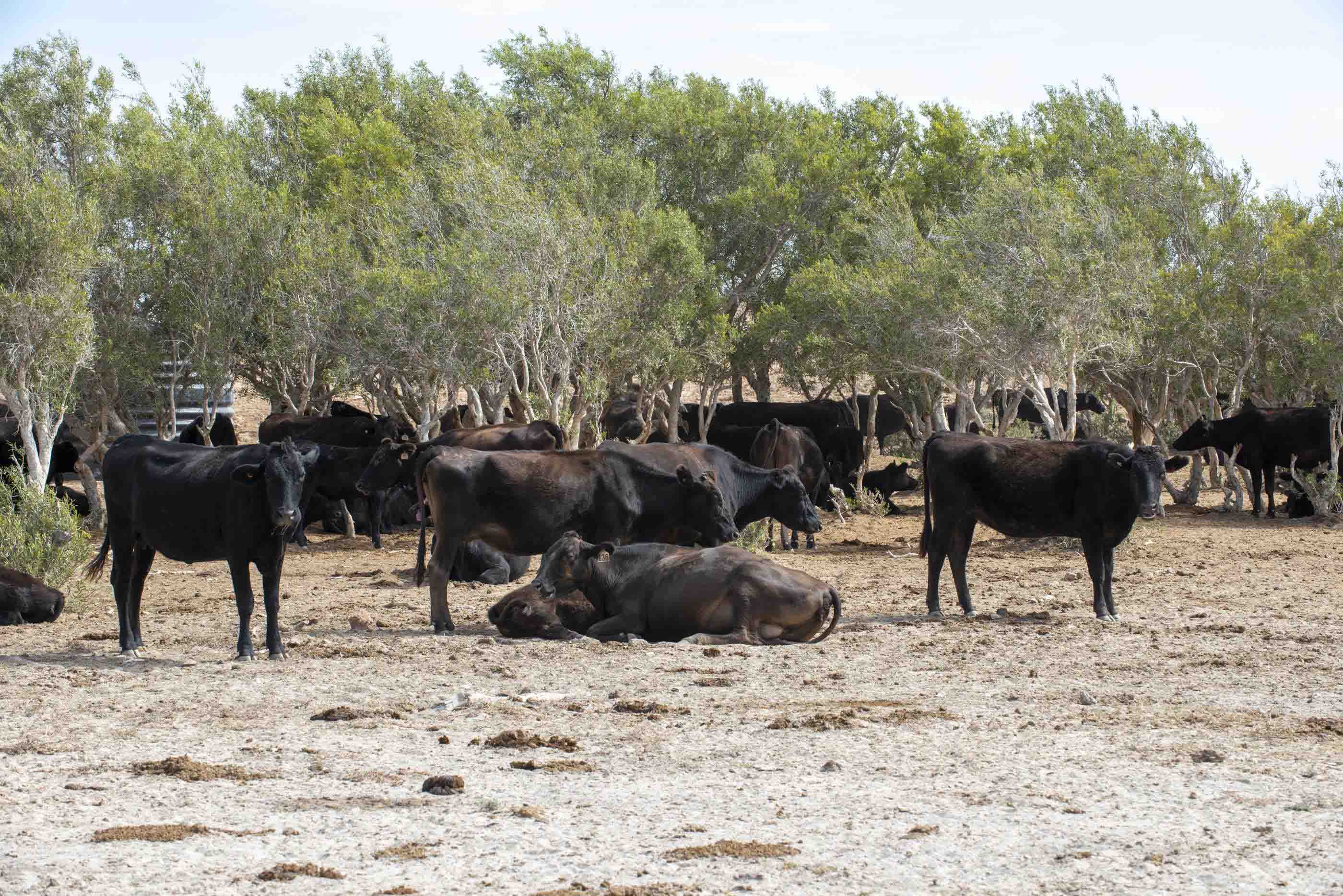 The Pilbara Innovation Partnership is an initiative working to facilitate joint investment and collaboration across the pastoral sector in the Pilbara region.View more about Pilbara Innovation Partnership
 -
 Supporting sustainable WA livestock industries.View more about Western Australian livestock industries
 -
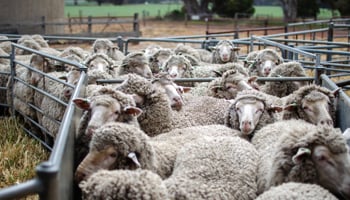 The Yardstick project aims to provide sheep breeders and commercial producers with reliable genetic information for a large number of economically important traits.View more about Yardstick
 -
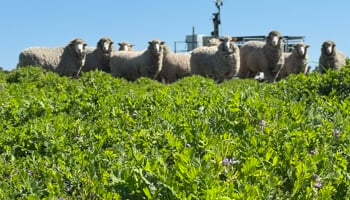 ZNE-Ag CRC brings together 73 Australian partners from industry, government and education to turn scientific discoveries into practical low‑emission solutions for farms across the nation.View more about Zero-Net Emissions Agriculture Cooperative Research Centre
Collaborative research
Overview
The main forage cereal being bred by DPIRD is triticale. Triticale is well adapted to environments with climatic or soil (edaphic) constraints that limit the production of other cereals such as wheat, barley, and oats. It is a highly versatile crop with multiple uses in livestock systems, including:
- Green feed during the vegetative growth period
- Silage production
- Hay production
- Grain production
- Grazing as an unharvested standing crop over summer and autumn.
Objectives
- To breed triticale specifically for livestock feeding purposes
How it works
Triticale breeding is a collaborative effort across several research teams within DPIRD:
- Feedbase
- Cereal Pathology
- Doubled Haploids
- Cereal Genetics.
What it delivers
Triticale cultivars for forage use adapted to Western Australian conditions
Dyna Trit 1143 is the first cultivar released by this project. Triticale breeding is ongoing and new cultivars will be released soon.
Funding and delivery partners
- DPIRD
- University of Florida, USA
- Nutrien Ag Solutions.
Where it operates
- Jandakot
DPIRD Lead: Daniel Real Ferreiro, Senior Principal Research Scientist
Overview
This project collects a range of northern native grass species and tests the concept of a local seed production area to improve the availability, reliability, and quality of native pasture seed for restoring degraded rangelands in the Kimberley, Western Australia. These areas could provide an alternative to opportunistic wild seed harvesting by producing seed under managed conditions close to infrastructure and all‑weather access.
Objectives
- Increase the supply and reduce the cost of native pasture seed for rangeland restoration
- Improve seed quality (viability and seed fill) compared with wild-harvested seed
- Extend flowering and seed production periods through irrigation and management
- Support large-scale restoration of degraded pastoral lands and mine sites.
How it works
To test the concept, native grass species common to the Kimberley were propagated from locally collected wild seed and grown in a small managed seed production area in Perth. Grasses were planted at high density in single-species plots and supported with fertiliser, irrigation, and strategic cutting. Seed was harvested regularly over the summer period.
What it delivers
- Improved supply of native grass seed with increased seed yields and greater seed fill (some species are more suited to managed seed production than others)
- Reduced reliance on remote, hazardous, and seasonal wild seed collection
- Improved capacity to restore degraded rangelands at scale.
Funding and delivery partners
- DPIRD
- Department of Biodiversity, Conservation and Attractions (Kings Park Science)
- Australian Capital Equity (Napier Downs and Mount House stations).
Where it operates
- Perth, Northern rangelands (Western Australia)
DPIRD Lead: Clinton Revell, Director Livestock Research
Overview
A key opportunity in developing a more resilient feedbase in northern WA is to take a proven technology from Queensland the over-sowing of legumes like Stylosanthes species (‘stylos’) into native pastures. Stylos are commonly known by the variety names, ‘Verano’ (Caribbean stylo) and ‘Seca’ (shrubby stylo). Over-sowing stylos are a management strategy which can extend the length of the growing season (green feed) and in doing so reduce the effective length of the dry season when cattle typically lose weight. The animal production benefits are well known, and the economics are favourable when grown on suitable sites, however, there has been minimal adoption in northern Western Australia.
This project is in collaboration with the Northern Territory Department of Agriculture and Fisheries who are investigating the potential of legumes on cracking clay soils in the Victoria River district as well as undertaking a grazing trial with weaners on stylo at Kidman Springs.
Objectives
- Work with industry and relevant Government Departments to clarify the approvals process for use of a non-indigenous species on pastoral lease;
- Adapt this forage technology for conditions in northern WA (suitable soils, low P), and
- Undertake R&D with industry to develop a reliable, cost-effective establishment package including site selection.
How it works
The project is currently working with 10 pastoral stations from Wyndham in the north Kimberley, down to Marble Bar in the Pilbara. The project has worked with the pastoralists to obtain diversification permits from the Pastoral Lands Board to over-sow legumes (stylos) into native pastures on a commercial scale. The project establishes small blocks of stylo on key soil-pasture types and also supplies seed for the stations to use. The project monitors the establishment and persistence of the legumes over time to increase the understanding of where to grow and where not to grow stylo to maximise the likelihood of success.
What it delivers
By addressing the barriers to adoption; (i) approvals process, (ii) identifying suitable soils and climate, and (iii) developing a reliable establishment package this will de-risk adoption for beef producers.
Funding and delivery partners
- DPIRD (lead)
- Northern Territory Department of Agriculture and Fisheries
- Funding through ‘Northern Hub’
Where it operates
West and East Kimberley
DPIRD Lead: Geoff Moore, Senior Research Scientist Geoff.Moore@dpird.wa.gov.au
Overview
Pasture 365 is part of the long-term trials of Drought Resilient Farming Practices Program, a 4-year national Future Drought Fund project led by Deakin University, in partnership with DPIRD and research organisations across Western Australia, South Australia, Tasmania and Victoria.
The project is investigating whether more diverse pasture systems can provide reliable, year-round feed while improving resilience to increasingly variable seasonal conditions.
Objectives
- Measuring pasture productivity and feed quality throughout the year
- Assess pasture persistence over time and changes in botanical composition
- Observe the ability of diverse pastures to suppress weeds.
How it works
Early results show there is no single pasture mix that performs best everywhere. In higher rainfall environments, simpler pasture mixtures have often outperformed more complex species mixes. Perennial species such as lucerne and cocksfoot have shown strong persistence at several sites and, where well established, are helping suppress weeds.
One of the most exciting findings is how pasture composition changes from year to year, with rainfall and seasonal conditions strongly influencing which species thrive and how productive each pasture system becomes.
What it delivers
Pasture 365 is generating practical, region-specific recommendations to help livestock producers select pasture systems that provide more reliable feed, improve drought resilience and support productive grazing throughout the year.
Funding and delivery partners
- DPIRD
- Deakin University
Where it operates
Trials are being conducted at Katanning, Manjimup, Warner Glen, Busselton and Boyup Brook, comparing annual and perennial pasture systems across contrasting rainfall environments.
DPIRD Lead: Roberto Busi, Senior Research Scientist
Overview
Led by UWA in partnership with DPIRD, this project trials multi-species pasture mixes across WA's high- and medium-rainfall zones, looking at what diversification does for productivity, soil health and carbon over time. It pairs field trials with on-farm demonstrations to build practical, climate-smart pasture advice for southern WA grazing systems. Running September 2024 to March 2028, it's part of a broader national push on pasture diversification.
Objectives
- Build soil health and system resilience under variable climates
- Lift pasture productivity and persistence through diversification
- Help growers adopt sustainable pasture systems for the long haul.
How it works
- Multi-species trials set up across contrasting rainfall zones
- Tracking biomass, species mix, soil indicators and carbon over time
- Field walks and demonstrations to keep growers in the loop.
What it delivers
- Pasture diversification strategies suited to WA conditions
- A clearer picture of soil health, carbon and resilience trade-offs
- Practical support to help growers adopt with confidence.
Funding and delivery partners
- DPIRD
- University of Western Australia
Where is operates
Busselton and Warner Glen (from 2025); Boyup Brook, Manjimup and Katanning (from 2026)
DPIRD Lead: Roberto Busi, Senior Research Scientist
Overview
The Precision Sheep Management (PSM) project works with producers to collect, analyse, and apply individual sheep data to support evidence-based decisions that improve production efficiency and profitability.
Objectives
- Support growers to turn data into clear, actionable, decisions
- Enable earlier, more targeted interventions that improve growth, reproduction and survival outcomes
- Leverage technologies, especially electronic identification systems, to enhance the monitoring of individual sheep performance
How it works
The project establishes a network of on-farm demonstration and research sites across Western Australia, South Australia, Victoria, and New South Wales. At these sites, participating producers implement tailored precision sheep management strategies on their properties. The PSM project team works closely with each host producer to co-design the site to suit their specific enterprise priorities and provides ongoing hands-on support, including visits at key times for data collection and analysis.
What it delivers
- High-quality, farm-specific data and insights from the producer’s flock.
- Improved decision-making in key areas such as lamb and ewe survival, weaning weights, growth rates, joining outcomes, animal selection, and nutrition management.
- Enhanced producer skills in data management and livestock technologies.
- Valuable case studies that support wider industry adoption of precision sheep management practices.
Funding and delivery partners
- Funding: Meat & Livestock Australia and Australian Wool Innovation.
- Delivery: The project is being delivered by the University of Adelaide, Murdoch University, DPIRD, Farming Systems Analysis Service, neXtgen Agri International, Thrive Agri Services, Achieve Ag Solutions and Gavin Kearney.
Where it operates
- WA, SA, VIC, NSW.
DPIRD Lead: Darren De Vos, Development Officer
Overview
The Australian Pastures Genebank (APG) is the national pasture and forage genetic centre. It is located in Adelaide and operated by the South Australian Research and Development Institute (SARDI) on behalf of government and industry stakeholders. The APG conserves the diversity of Australia’s pasture and forage species, as basis for enhanced agricultural productivity and environmental preservation.
DPIRD works with the APG to regenerate some of the most at-risk of these pasture collections; growing out around 250 lines each year for seed production and returning a sustainable quantity of high quality, clean seed for long-term storage in Adelaide and the Svalbard Global Seed Vault.
Objectives
- Maintain the diversity of Australia’s pastures and forage species for use nationally and internationally
- To conserve and distribute all pasture and forage species of actual or potential value to Australian agriculture
- Monitor the quality of stored collections, improving at-risk collections via regeneration.
How it works
The APG conserves and securely stores pasture and forage seed, regularly testing and regenerating it and backing it up, so plant breeders and researchers can access genetic diversity. DPIRD plays a role in regenerating locally adapted species in field plots, and returning a large volume of quality, clean seed to the APG.
What it delivers
- Holds one of the world's most diverse and significant tropical and temperate pasture and forage collections
- Improved genebank health and seed conservation
- Develop information systems to make the genebank more attractive to users
- Acquire, document, conserve, maintain and distribute plant genetic material.
Funding and delivery partners
- DPIRD
- SARDI
Where it operates
- Adelaide, South Australia
- Shenton Park, Western Australia.
DPIRD lead: Richard Bennett, Research Scientist