
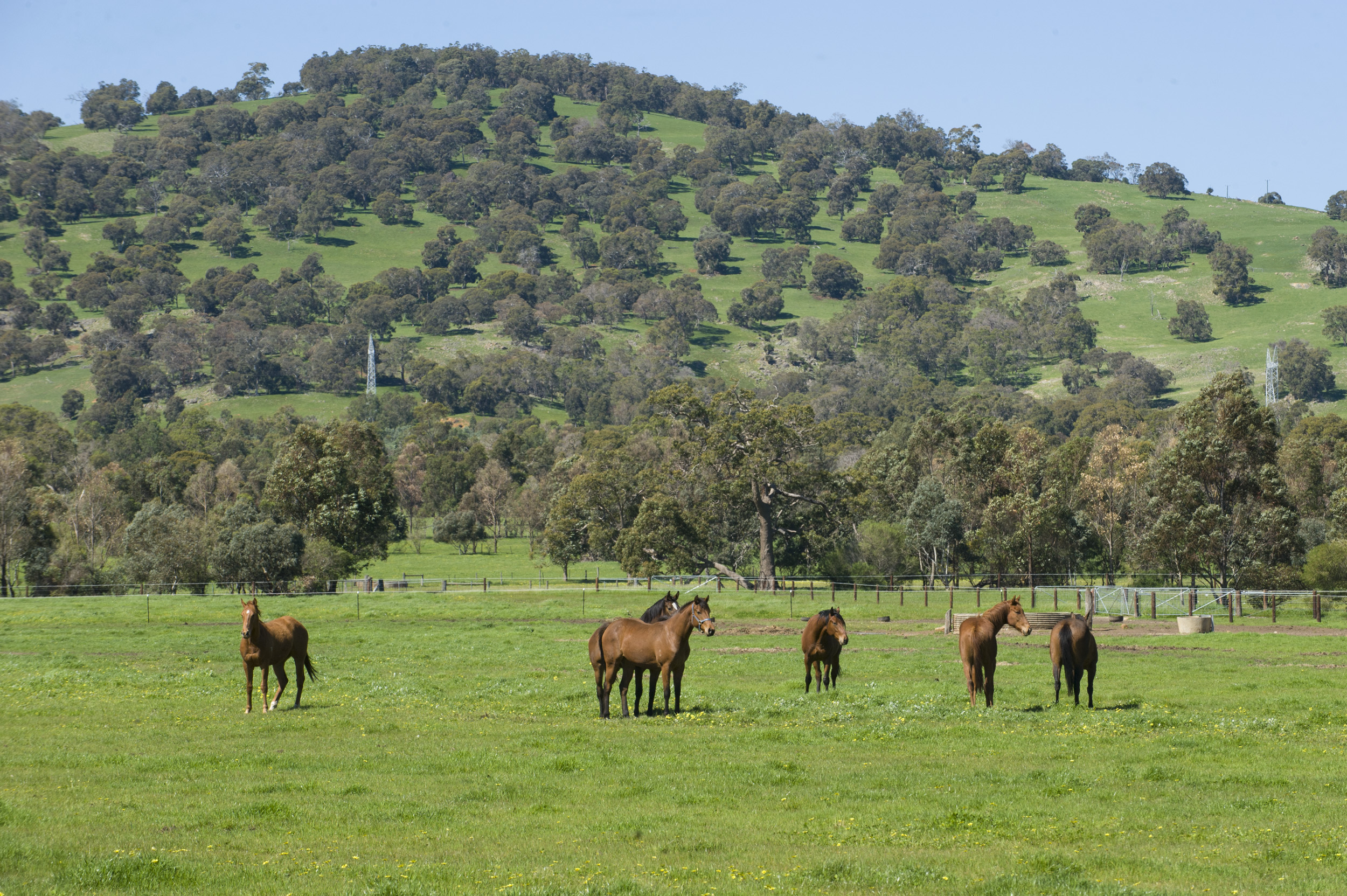
Agistment is an option for removing livestock from a property, for several reasons, including:
- Reducing stocking rates on existing properties.
- Expanding flock or herd numbers.
- Managing limited feed or water on existing properties.
- Accessing better feed options or managing surplus feed.
- Drought management.
- Movements post emergency events such as fire or flood.
Consider the recommendations below to reduce risk to livestock and improve communication between parties to the agisting process.
Visit the property beforehand
Before signing an agreement, get to know the owner or manager of the agistment property to check:
- Fencing in the agistment paddocks.
- Feed available in the paddocks and any change of diet problems.
- Freedom from disease, pests and weed problems.
- Water quality and quantity.
- Yards, stock handling facilities and unloading/loading arrangements.
Are livestock fit to travel?
Before making any arrangements to agist livestock, ensure they are fit to travel. If there is any doubt about the health of the livestock or their ability to cope with being transported, they should be assessed by a vet or they should not be transported.
Moving livestock off a property is covered by legislation, as a livestock owner you are required to know your responsibilities.
Understand your responsibilitiesCreate a written agreement
To protect both parties, create a written agreement that specifies:
- The number and types of livestock.
- The period of agistment.
- Biosecurity considerations for the movement of livestock on and off the property.
- Who is responsible for livestock management on the agistment property.
- Health and disease status and management of the agisted animals and animals already on the agistment property.
- Responsibility for feeding and general nutrition of agisted livestock.
- Responsibility for meeting livestock movement requirements.
- The costs and payments.
- Conditions for termination of the agreement and biosecurity precautions to be taken on return of livestock.
Establish responsibilities
Clearly establish who will be responsible for the day-to-day husbandry of the livestock. Make sure the written agistment agreement clarifies all responsibilities, including:
- Who will check the livestock each day.
- Who is responsible for providing supplementary feed if necessary.
- Who is responsible for providing or organising for any treatment required by livestock.
- The time commitment of the people offering agistment.
- How to manage unintended matings leading to inadvertent pregnancies in livestock.
- The preferred veterinarian in case stock become unwell or are injured during their time on the agistment property.
- The responsibility for all costs associated with the agistment, including biosecurity requirements.
Consider biosecurity risks
Biosecurity aims to limit the introduction of new pests, diseases or weeds onto the agistment or the home property.
The Farm Biosecurity website provides practical information about on-farm biosecurity measures, which help prevent both endemic and exotic diseases, pests and weeds from entering and becoming established on farms.
Protect livestock from diseases
Prevent potential disease spread when agisting someone’s livestock or seeking agistment for your own livestock.
To protect agisted livestock and other livestock on the same property:
- Request and provide as much information about the health of the livestock as possible before agistment – consider requesting a health declaration from the owner of the livestock before receiving.
- Confine livestock from different properties to specific paddocks, or at a minimum, quarantine introduced livestock in specific paddocks until their disease status is known.
Some specific diseases that could be introduced during agistment are explained below.
We advise that you drench livestock as they arrive at the agistment property (i.e. during their quarantine period) and again on their return home.
Learn about management techniques, including the correct application of chemicals, to help control or eradicate different parasites and maintain healthy sheep.
In Western Australia, flocks known to have virulent footrot are quarantined. Where movement off the property is required on welfare grounds, contact the department to arrange an emergency permit.
Agisted sheep may not be showing signs of lameness, but have the potential to carry the bacteria that causes virulent footrot on their feet. If there is any risk of agisted sheep carrying virulent footrot, keep them separate from other sheep on the property.
Report unusual signs of disease
Find out more about the reportable animal diseases in Western Australia and how to make a report if you see unusual signs of disease in your livestock.
Learn more about reportable diseases
Record livestock movements
Livestock owners, including small landholders and non-farming property operators must register and adhere to identification and movement requirements, even if the livestock are kept as pets.
Some types of livestock have species-specific requirements under the regulations.
Understand what's required