
How lupinosis develops
Lupinosis is a liver disease mainly caused by the consumption of lupin stubble colonised by the fungus Diaporthe toxica (previously called Phomopsis leptostromiformis).
It can be expressed as either a severe acute disease or as a chronic liver dysfunction syndrome. Acute disease is most common in livestock on sandplain or WA blue lupins following summer rains, while the chronic syndrome is commonly associated with narrow-leafed lupin stubbles or when lupin seed is fed. Lupinosis most often occurs in summer and autumn. Lupinosis may also predispose sheep to a nutritional muscle disease (myopathy) called lupinosis-associated myopathy.
Lupinosis was a significant cause of livestock deaths and reduced production in WA prior to 1990. Up to this time, all narrow-leafed lupin varieties were susceptible to Diaporthe colonisation. A successful breeding program undertaken by the department developed varieties of lupins resistant to stem colonisation by Diaporthe. All current commercial narrow-leafed lupins grown in WA have some resistance to Diaporthe stem blight.
Signs, diagnosis and treatment of lupinosis
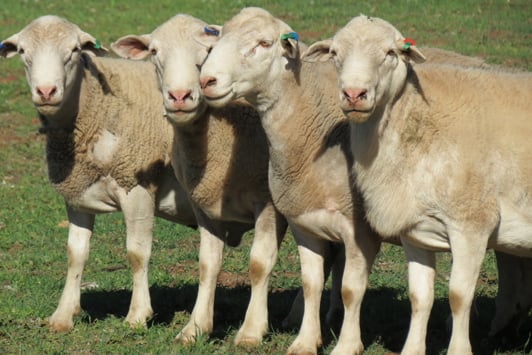
All livestock, including sheep, cattle, goats, horses and pigs are susceptible to lupinosis. Sheep are the most susceptible. Weaners are most commonly affected because they eat less lupin seed and more stem. The liver damage that occurs in lupinosis will increase the likelihood of pregnancy toxaemia in late pregnant ewes or cattle. Stock affected by lupinosis may develop secondary photosensitisation.
Acute signs:
- marked appetite reduction initially but this is often not noticed before other signs become apparent
- severe depression
- jaundice (yellowing of the white of the eyes and other mucous membranes)
- lethargic animals – isolated animals in a paddock or a tail in the mob
- dead and moribund animals
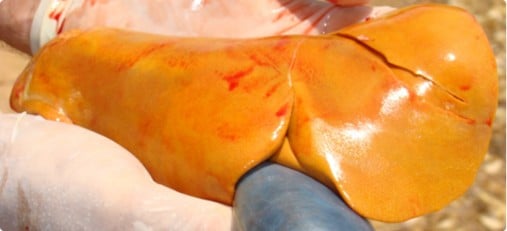
- on postmortem, jaundice is evident in the tissues and the liver is markedly swollen and yellow.
Chronic signs:
- loss of condition in affected sheep
- weak, lethargic animals not keeping up with the rest of the mob or off on their own
- sheep moving with a stiff-legged gait and hunched back
- sheep wandering in disorientated manner, becoming caught in fences or pressing their head against objects.
Signs that may be seen in both acute and chronic lupinosis:
- abortions
- reduced lambing percentages (as a result of reduced ovulation and foetal loss)
- reduced wool production and fibre diameter with more tender wool.
- Lupinosis should be suspected in sheep not doing well in any lupin stubble or blue lupin paddock, especially if there is less than 50 kilograms seed per hectare on the ground.
- A visual examination of affected sheep may reveal yellow colouring of the mucous membranes and in the corner of the eye.
- The signs of chronic lupinosis may be subtle (e.g. just apparent ill-thrift).
- Veterinary advice and postmortem should be sought to diagnose the cause of illness.
- Laboratory examinations of blood samples and liver and brain tissue will determine if lupinosis is the cause of the clinical signs.
- Immediately remove all stock from lupin stubble or WA blue lupin paddocks.
- Place affected stock in a small paddock with shade and water.
- Provide a small amount of oats in the best quality grassy paddock, or good quality oaten hay.
- Avoid paddocks with green plants as stock will be susceptible to photosensitisation.
- Do not feed lupins or feed blocks as the damaged liver is unable to effectively metabolise a high protein diet.
- Reduce all stress, restore appetite and avoid dehydration during the first couple of weeks of the convalescent period.
- If animals regain their appetite, they usually fully recover within six months. Those animals that are severely affected and do not start eating within a couple of days should be euthanased.
Preventing lupinosis
Virtually all stands of lupins in WA will be infected and colonised to some degree by Diaporthe toxica. The new narrow-leafed lupin varieties are resistant, but not immune, to the fungus. Under most conditions they develop very low levels of toxicity and their stubbles provide a very valuable food source for all classes of sheep. In practice, most cases of lupinosis occur from grazing lupin stems, so good management and observation of the paddock and stock will prevent losses.
- Graze lupin stubbles early and before cereal stubbles as toxicity slowly increases with each summer rain event.
- Provide two watering points in a paddock to promote even grazing of the stubble. Weaner sheep concentrate their grazing within 600-800 metres of watering points.
- Pre-feed lupin seed to train stock to seek out lupin seed in stubbles.
- Check stock regularly for signs of lethargy, reduced appetite and hollow flanks.
- Remove stock from stubble paddocks before the lupin seed count gets below 40 seeds per metre square (equates to 50kg/ha of lupin seed). At levels below this sheep typically lose weight and seek more stem material.
- Keep the flock size to less than 600 for weaner sheep.
- Sheep should be removed from blue lupin paddocks after summer rainfall and not returned until the stalks have dried out. Check the sheep daily for the first week after reintroduction.
- It is not necessary to remove sheep from white lupins after summer rain, but sheep should be checked daily for a week after significant rainfall.
Check lupin seed before feeding
Lupin seed may also become infected by Diaporthe toxica and cause outbreaks of lupinosis. Lupin seeds can be infected during seed and pod maturation, either from fungal lesions on the surface of the pod, or systemically via pod stalks colonised by the fungus.
Seed infection is more likely when there is heavy rain during the period of seed and pod maturation. Infected toxic seeds are discoloured, ranging in colour from pale yellow through to a dark purple-brown. Infection of the pods and seeds is termed Diaporthe pod blight, and different lupin varieties exhibit different degrees of susceptibility and resistance to this.
- If more than 10% of the lupin seed is discoloured (pale yellow to a darker purple brown), it should not be fed.
- If less than 10% of the seed is discoloured, but more than half the discoloured seeds present are dark purple-brown or have obvious 'mould', only limited amounts should be fed.
Other diseases to consider
Other diseases that may look like lupinosis include:
Jaundice
Yellowing of mucous membranes
- caltrop poisoning
- other plant liver toxins (signal grass, Paterson’s curse)
- eperyrthrozoonosis
Ill-thrift
- ovine Johne’s disease
- parasites (scour worms)
- trace mineral deficiency (cobalt, copper, calcium)
- protein or energy deficiency.
Significant Disease Investigation Program
The Significant Disease Investigation Program provides subsidised veterinary investigations and laboratory testing for any significant livestock disease with stock losses or which has similar disease signs to an exotic or reportable disease.
Disease investigations support market access for livestock and livestock products by providing evidence of our proof of freedom from diseases of concern to our trading partners.
How lupinosis develops
Lupinosis is a liver disease mainly caused by the consumption of lupin stubble colonised by the fungus Diaporthe toxica (previously called Phomopsis leptostromiformis).
It can be expressed as either a severe acute disease or as a chronic liver dysfunction syndrome. Acute disease is most common in livestock on sandplain or WA blue lupins following summer rains, while the chronic syndrome is commonly associated with narrow-leafed lupin stubbles or when lupin seed is fed. Lupinosis most often occurs in summer and autumn. Lupinosis may also predispose sheep to a nutritional muscle disease (myopathy) called lupinosis-associated myopathy.
Lupinosis was a very significant cause of livestock deaths and reduced production in WA prior to 1990. Up to this time, all narrow-leafed lupin varieties were susceptible to Diaporthe colonisation. A successful breeding program undertaken by the Department of Primary Industries and Regional Development, Western Australia (DPIRD) developed varieties of lupins resistant to stem colonisation by Diaporthe. All current commercial narrow-leafed lupins grown in WA have some resistance to Diaporthe stem blight.