-
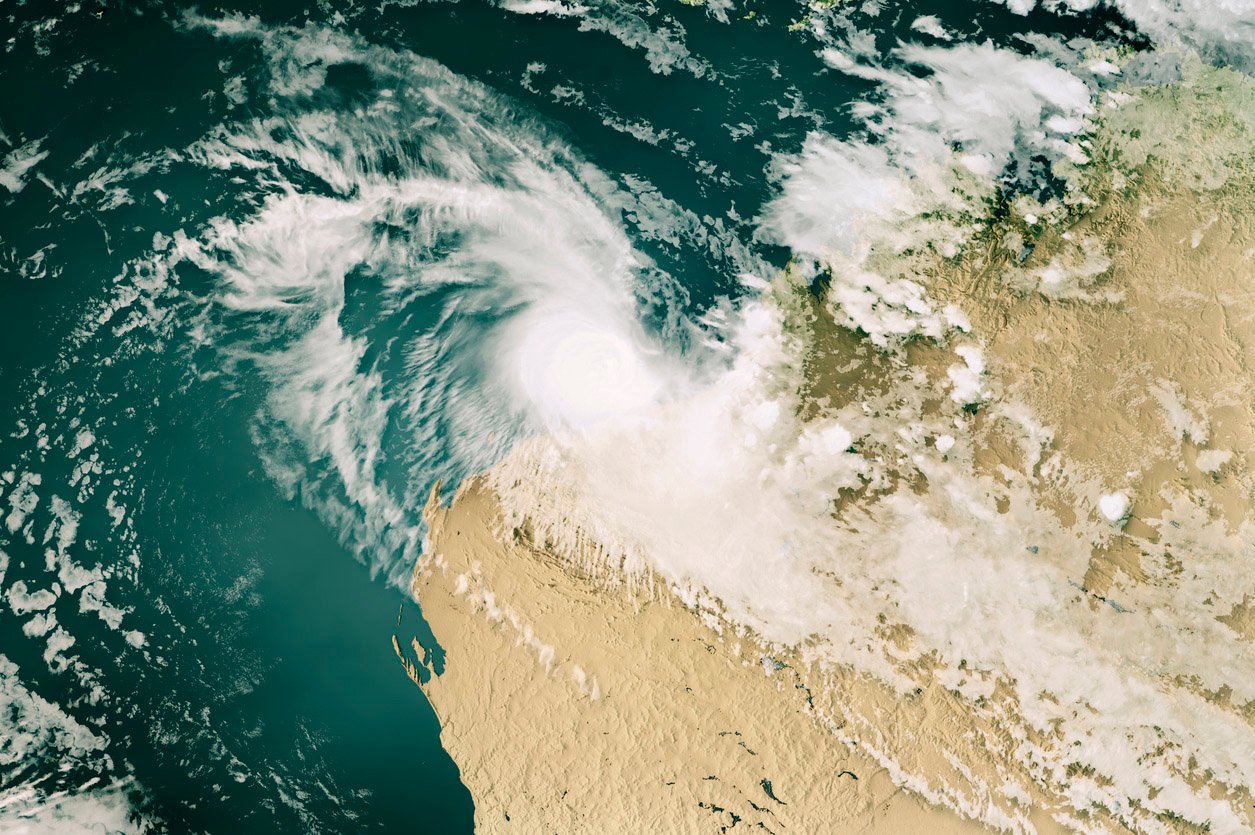
 The department is actively involved in research related to climate change adaptation for primary industries and regional development.View more about Adapting to climate change
 -
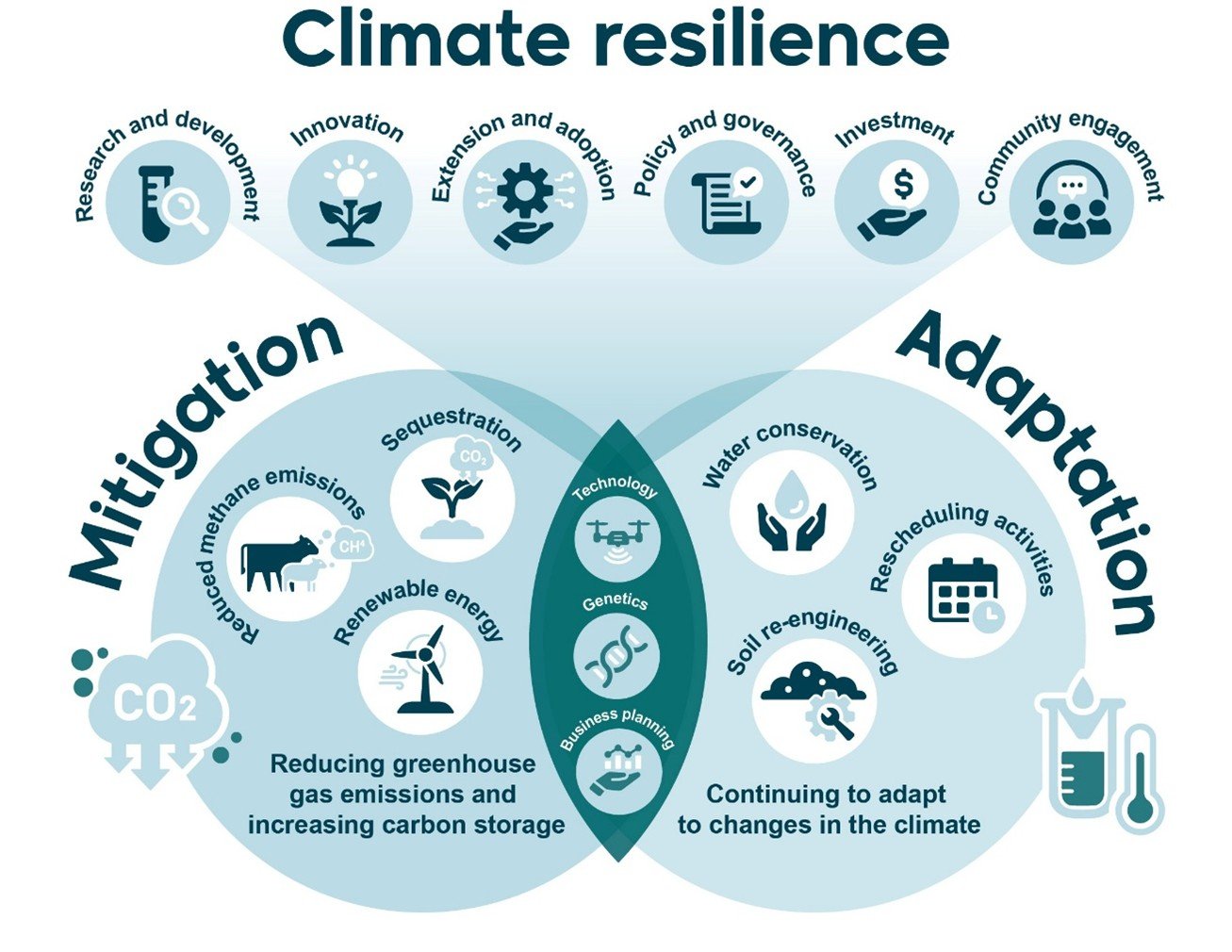
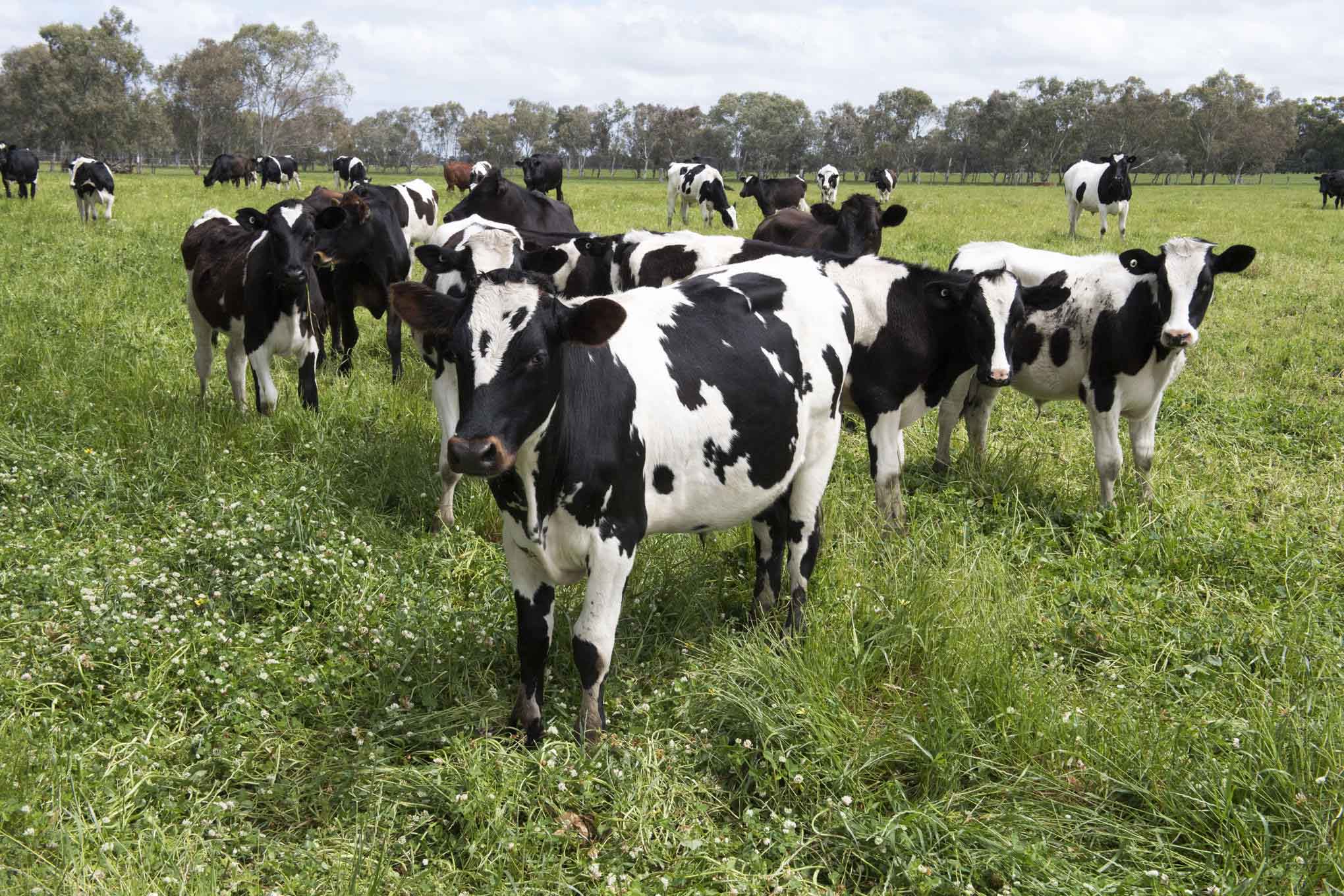 The Department of Primary Industries and Regional Development supports the Western Australian agricultural sector in mitigating and adapting to the impacts of climate change.View more about Reducing greenhouse gas emissions
 -
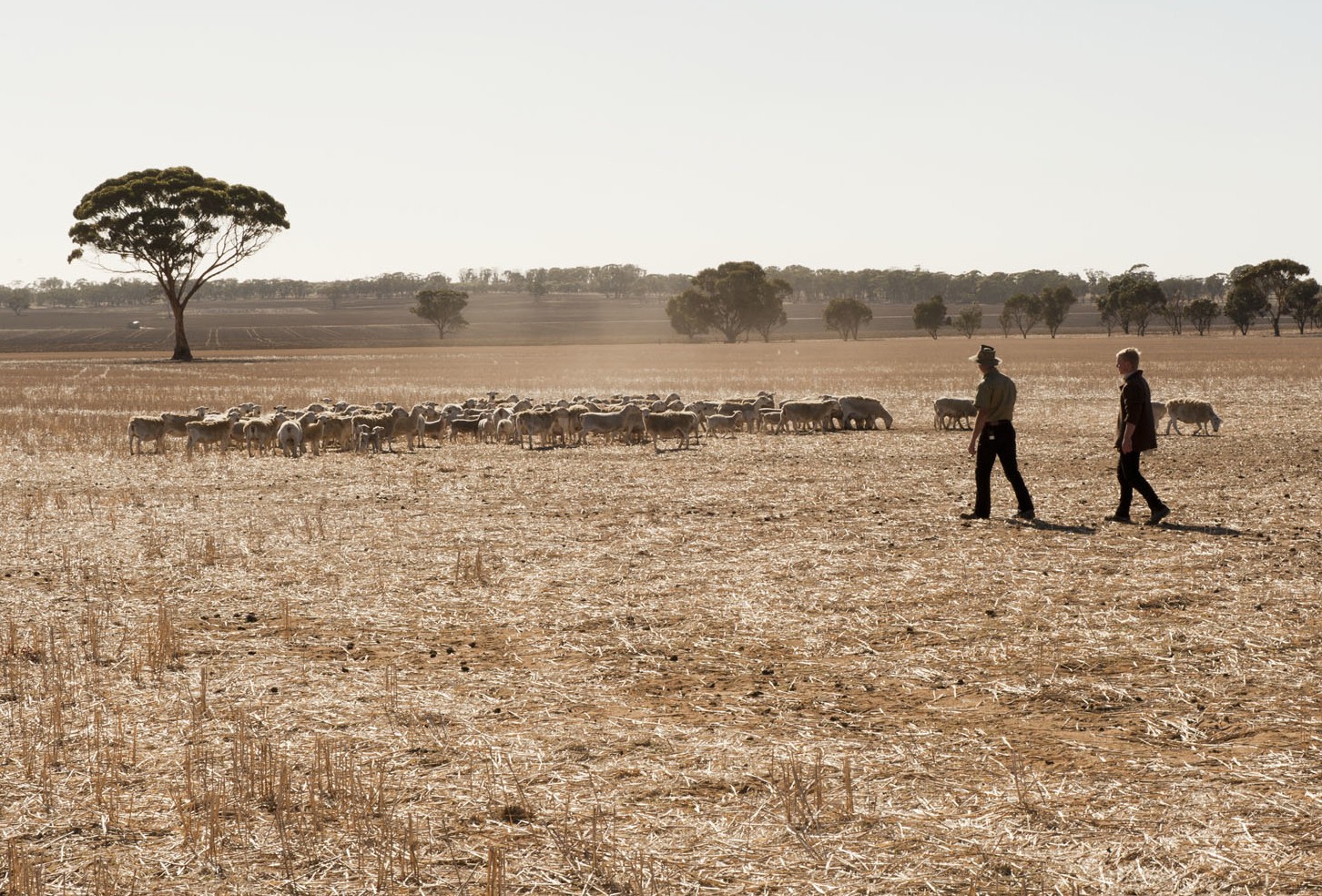 Season 2026 provides seasonally relevant information and management options for primary industries across Western Australia.View more about Season 2026
 -
 Carbon farming refers to a range of practices that increase the amount of carbon stored in the landscape through the active management of vegetation and soil, or that avoid the release of greenhouse gases like methane and nitrous oxide by livestock and fire.View more about Carbon farming
 -
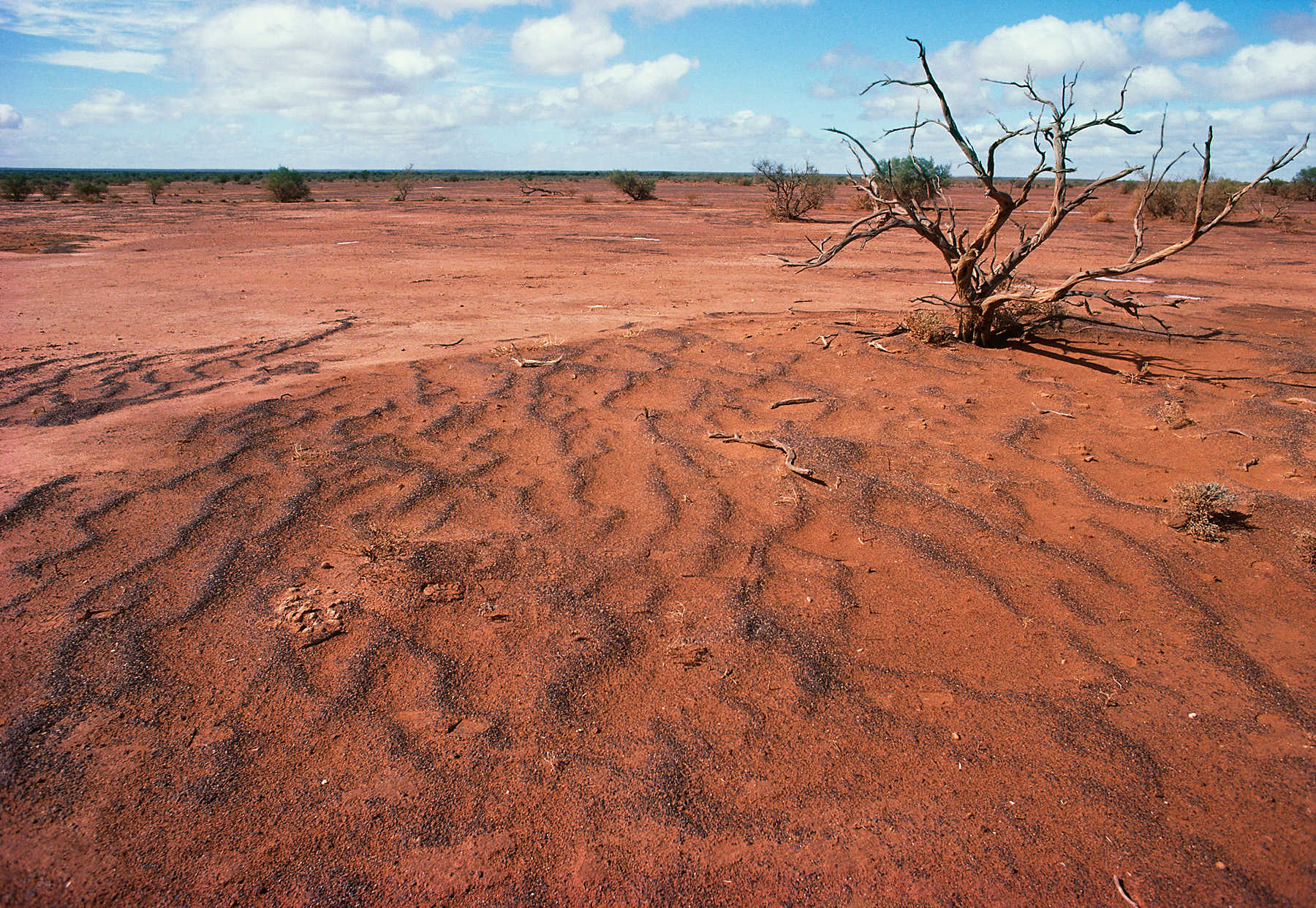 The Australian Government's Future Drought Fund is a long-term investment providing $100 million annually to help Australian farmers and communities become more prepared for, and resilient to, the impacts of drought.View more about Future Drought Fund
 -
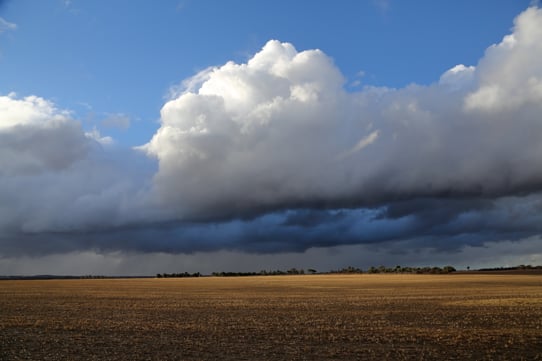
 Enabling farm and fisheries businesses to better manage changes in climate and weather is critical for the success of the Western Australian primary industries sector. The department's research aims to assist businesses to make informed planning and financial decisions.View more about Climate research
Climate Resilience updates
Subscribe to the Climate Resilience updates for climate change information, events, research and opportunities to future-proof regional WA.
Subscribe-
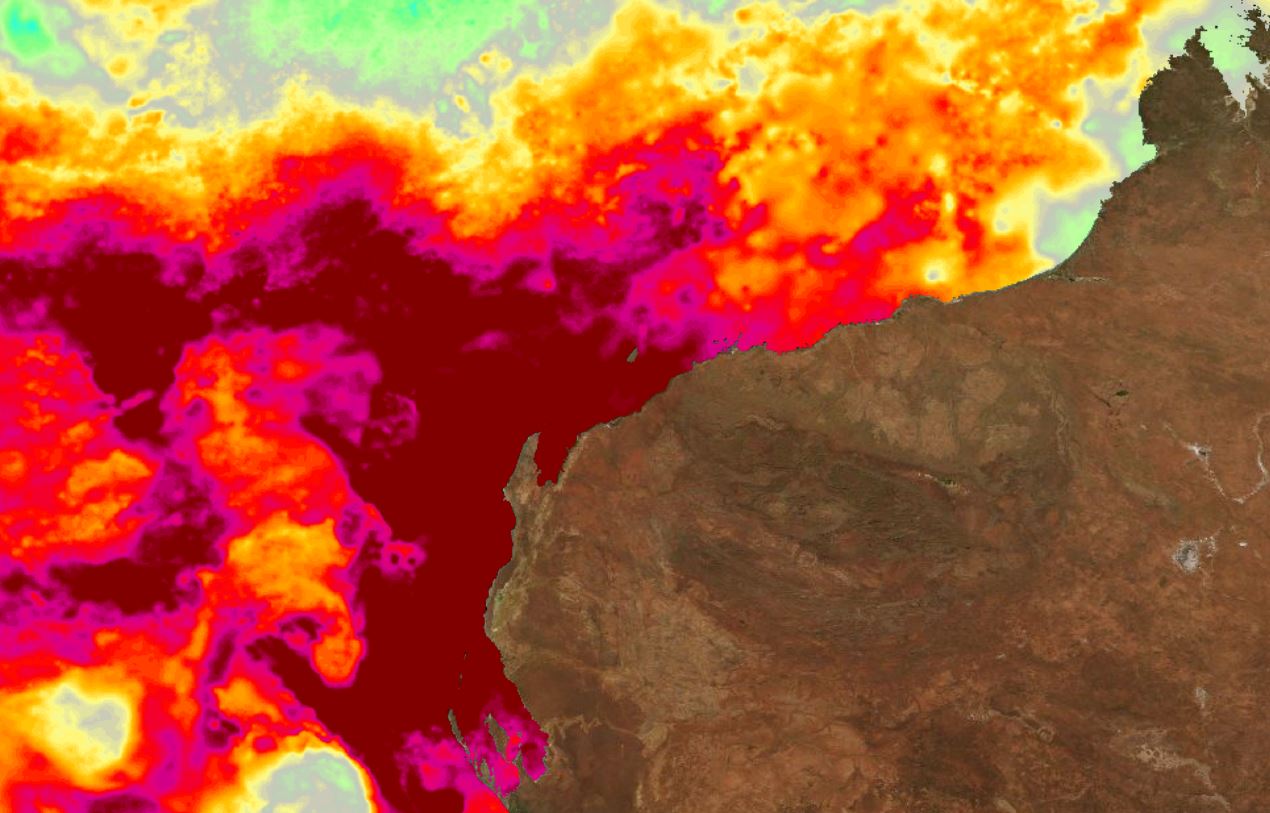 Heatwaves occur not just on land but also in our oceans. Marine heatwaves can last for weeks or months over large areas and may impact marine life.View more about Marine heatwave
Marine heatwave updates
Subscribe to receive information during a marine heatwave event which includes information relevant to each bioregion, forecasts, actions for fishers and aquaculture operators to undertake and observed impacts.
Subscribe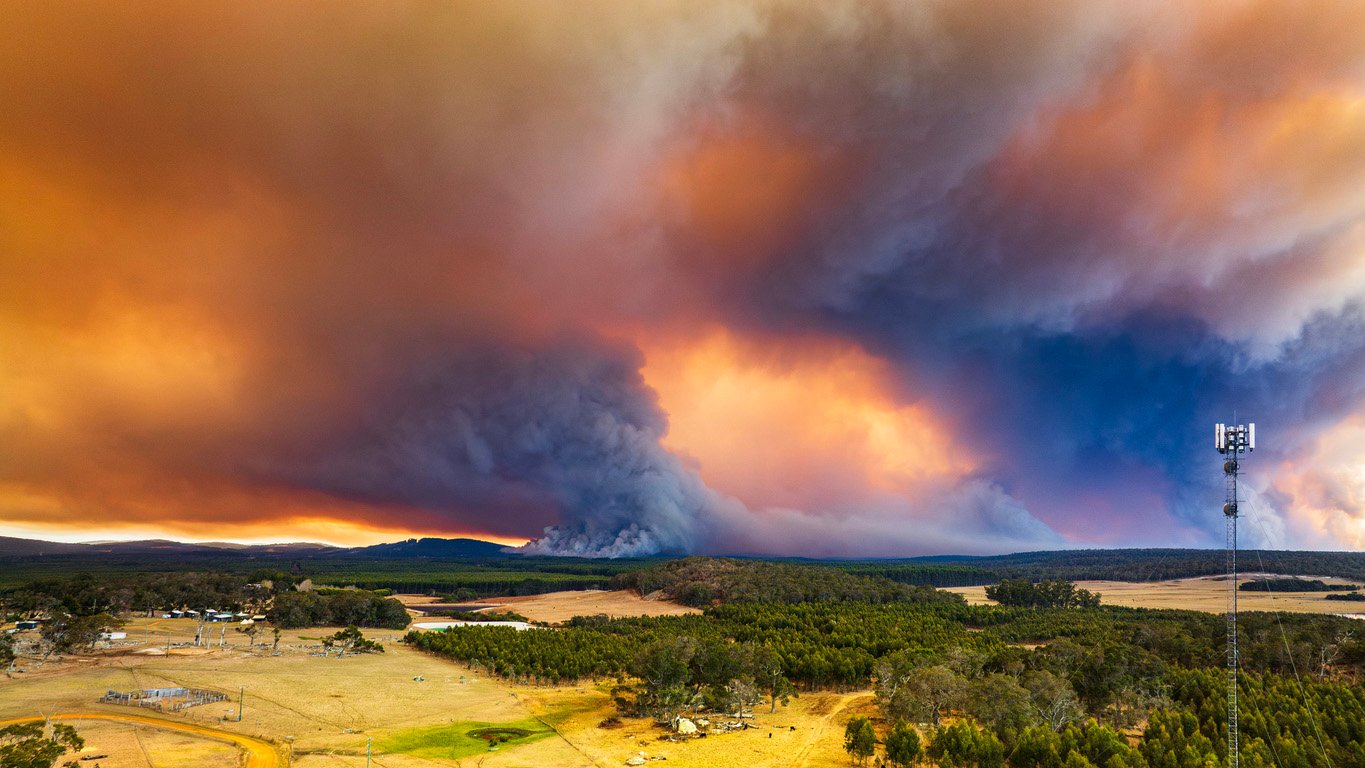
Climate change
The department supports the Western Australia’s primary industries and regional communities in mitigating greenhouse gas emissions, adapting to the impacts of climate change and managing seasonal droughts. Climate change is the impact of additional greenhouse gas (GHG) in the atmosphere due primarily to human activity. Observed global changes over the 20th and 21st centuries include increases in average air and ocean temperature, rising sea levels, reduction of snow and ice cover, and changes in atmospheric and ocean circulation and regional weather patterns.
Climate change presents significant and escalating risks and opportunities to Western Australian primary industries, including agriculture, fisheries, food, and aquaculture, as well as the regional communities and natural resources they depend on. The 2025 National Climate Risk Assessment expects risks to Western Australia’s primary industries and regional communities to intensify under all future warming scenarios. This will have implications for productivity, infrastructure, biosecurity and community wellbeing.
The impacts of climate change on the primary industries
Rising temperatures can lead to heat stress in crops, oceans, livestock and people. Heatwaves can reduce crop yields and affect livestock health and fertility, particularly in regions with already high temperatures. Shifts in temperature patterns can also impact the suitability of certain crops for cultivation, oceans getting warmer and more acidic and sea-levels rising.
View My Climate View to find tailored insights into your location, commodity and future climate overview.
WA is already prone to extreme weather events such as droughts, floods, bushfires, marine heatwaves and cyclones. Climate change is expected to increase the frequency and intensity of these events, posing significant risks to productivity and infrastructure.
The Future Drought Fund is a program to help Australian farmers and communities become more prepared for, and resilient to, the impacts of drought.
WA is the is the driest state in Australia, with much of its land is classified as arid or semi-arid. Decreased rainfall and changes in precipitation patterns may reduce water availability. Climate change is expected to exacerbate water scarcity issues, impacting both irrigation, broadacre, aquaculture and livestock watering.
Changes in temperature and rainfall patterns can influence the prevalence and distribution of pests and diseases in agricultural ecosystems. Some pests and diseases may thrive under warmer conditions, leading to increased pressure on crops and livestock.
The department manages the risks to the economy, environment, and community from pests and diseases entering, emerging, establishing or spreading in Western Australia.
The Australian Government’s Centre of Excellence for Biosecurity Risk Analysis is a long-standing biosecurity research initiative and is integral to managing biosecurity risks facing Australia, including those stemming from climate change.
The costs of climate change
The costs of not reducing emissions or adapting to climate change are significant. Without action Australia’s economy could suffer $150billion in costs from 2022—2032 - Deloitte Access Economics
Australian farm profits have become more sensitive to drought impacts overtime. That is, while average farm productivity and profits have increased, the difference between profits in normal and drought years has widened.
… changes in seasonal conditions have reduced annual average farm profits by 23%, or around $29,200 per farm, when considering the period 2001 to 2020 relative to 1950 to 2000. Australian Bureau of Agricultural Resource Economics and Sciences
The sooner we act, the more effective our response will be. Early action will help reduce impacts, avoid further biodiversity loss’, reduce future disaster costs and unlock social and economic benefits through planning ahead to build industries for the future.
Global responses to climate changeGovernment responses to climate change
To better understand the impacts of climate change and develop solutions, the Department of Primary Industries and Regional Development (DPIRD):
- leads whole of government strategies for the primary industries
- provides and administers grants
- delivers extension and adoption opportunities
- funds research and development projects
- conducts research and development
DPIRD’s research and collaborations aim to reduce ghg emissions, sequester carbon and adapt to the changing climate.
Under the Paris Agreement, Australia is committed to reducing emissions to 43% below 2005 levels by 2030.
National Climate Risk Assessment 2025 was delivered by the Australian Climate Service and provides an assessment risk across 8 key systems and 11 regions, prioritising key risks both within each system and across systems.
National Adaptation Plan 2025
The National Adaptation Plan will help Australia to better prepare for and manage increasing risks resulting from climate change.
It responds to the findings of the National Climate Risk Assessment and provides guidance on how to adapt to climate risks and build national resilience to climate impacts. 2035 climate change target has set at a range of 62 per cent to 70 per cent reduction on 2005 emissions.
National Climate Change Statement
The National Climate Change Statement reports progress on climate change and energy initiatives on an annual basis. It outlines how much work is now underway to ensure Australia meets its climate goals.
WA Sectoral Adaptation Plan
The department is leading the Primary Production Sectoral Adaptation Plan (PPSAP). This is a long term plan for WA’s primary industries sector. The plan will prepare for the future security, sustainability and prosperity of the livestock, broadacre, horticultural, food, ecosystems, forestry, fisheries and aquaculture industries.
WA Sectoral Emissions Reduction Strategy
The WA Sectoral Emissions Reduction Strategy is a core commitment of the WA Climate Policy to transition the WA economy to net zero emissions by 2050.
The department led the agricultural component of the Sectoral Emissions Reduction Strategy through close engagement with key industry and stakeholder groups.
The Climate Change Bill 2023
The Climate Change Bill 2023 proposed emissions reduction targets and set a statutory framework for emissions and adaptation planning and reporting. The Bill is currently lapsed.
Climate Adaptation Strategy: Building WA’s climate resilient future 2023
The WA Climate Adaptation Strategy was introduced in July 2023 and ensures Western Australia’s communities, environment and economy are resilient and continuously adapting to climate change in a forward-looking, fair and collaborative manner.
Western Australian Climate Policy 2020
The WA Climate Policy commits the State to emissions and adaptation outcomes, including reducing Western Australia’s greenhouse gas emissions to net-zero by 2050.
The Policy draws climate change actions together and looks beyond business-as-usual to support the net zero transition across the public sector, drive low carbon energy, mining and agricultural initiatives and guide decarbonisation across the rest of our economy.
The state government also has an 80% emissions reduction target of government operations from 2020 levels, by 2030.
Climate Resilient WA Directions Paper 2022
Climate Resilient WA lays out the foundations for Western Australia’s statewide Climate Adaptation Strategy.