
Latest updates and advice
- Plan your crop variety decisions for next season with the 2026 WA Crop Sowing Guide which features updated performance data and the latest variety information. See Crops for further seasonal information.
- Fire season is beginning and planning allows you to be prepared for an emergency. Visit the Department of Fire and Emergency Services'- Prepare Warnings & Incidents, Recovery for resources on preparing for a fire.
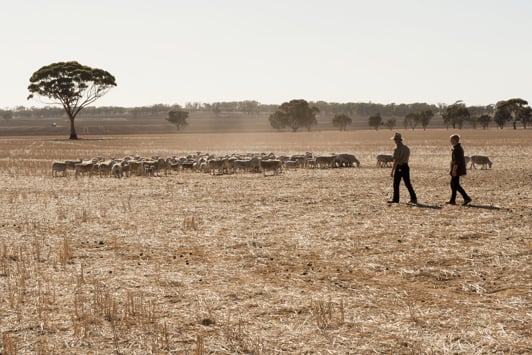
- Monitor stock water, feed and animal welfare requirements and plan ahead to ensure adequate quality water and feed over summer. See Livestock management for information to assist decision-making over summer.
- The Bureau of Meteorology’s (BoM) seasonal outlook for December 2025 to February 2026 indicates a preference for below-normal rainfall for most of WA, especially for the Kimberley region. See the BoM’s seasonal outlook video for more details.
Funding and support services
Support services are available to assist rural people in stressful situations, these include:
- Regional Men’s Health Initiative
- Rural Aid
- Lifeline
- Beyond Blue
- Rural West financial counselling service.
More information can be found on WA's rural support services directory.
View the rural support services directory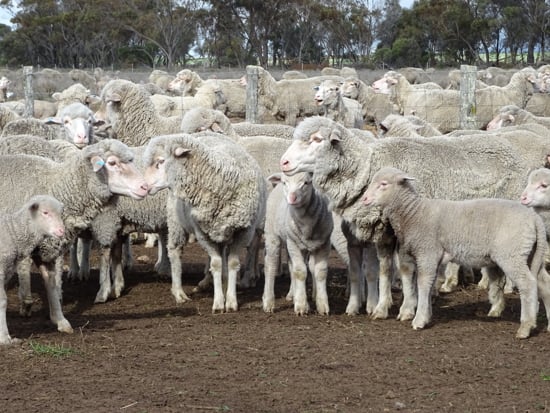
Livestock
- Monitor stock water requirements and plan ahead to ensure there is enough quality water available for the upcoming summer. Visit the Water for livestock page to learn more.
- Be aware of the symptoms of Annual Ryegrass Toxicity (ARGT), particularly when grazing Wimmera ryegrass pastures that are coming into seed. It’s also important that purchased cereal and meadow hay is tested for ARGT.
- If you have had good winter rainfall and are considering sowing a summer active perennial such as a sub-tropical grass, refer to Perennial pastures for Western Australia.
- Phomopsis lesions have been found across the Northern and Central Wheatbelt. Phomopsis toxins cause lupinosis and the risk increases after summer rainfall.
- Contact your local DPIRD field vet to report unusual disease signs, abnormal behaviour or unexpected deaths in your livestock.
- See the latest StockedUp newsletter for a range of seasonal production advice and management tips.
- It’s important weaners keep growing over summer. Know your target growth rate dependent on when you want to turn off. Make sure they are receiving adequate protein, energy and roughage. Find out more about weaner management in our factsheet, Growing weaner sheep.
- Our better harvesting technology may mean less grain is left behind for grazing stubbles. Assess the amount of residual grain using quadrat counts across the paddock and factor it into your feed budgeting. See our factsheet on Grazing stubbles and dry pasture for more information.
- To ensure fitness for joining, check rams at least 8 weeks prior using the 4-Ts health check in our Joining - setting the potential of your ewe flock factsheet. Sick rams need 8 weeks recovery for full recovery to produce healthy sperm. Aim to have rams in condition score 3 to 4 for joining and consider high protein feeding to maximise sperm production in the lead up to joining.
- Check ewe condition a month before joining to decide if feeding is required to have them in condition score 3 for joining. Check udders, feet and mouth condition and remove/treat any affected ewes using MLA’s Fit to Join guide. Cull ewes that are unfit to join as they have a higher likelihood of scanning empty, increased mortality and decreased lamb survival.
- Drench ewes if necessary based on faecal worm egg count (FWEC) and condition score ewes while they are in the yards.
- Higher temperatures and extensive rainfall in some areas, coupled with low wind has seen flystrike occurring in some areas. Monitor the flock and treat if necessary.
- An increasing number of producers are adopting confinement feeding for livestock in the autumn/winter feed gap. More information on setting up confinement feeding can be found in our Confined paddock feeding and feedlotting of sheep factsheet.
View the dry season management information and resources for further assistance.
- Supplementary feeding is important to maintain adequate condition score of beef cattle (both rangelands and southern cattle) held on farm.
- Monitor Feed On Offer (FOO). If inadequate FOO, confined feeding may be an option. Assess stocking rate capabilities to best utlitise pasture availability.
- Cows with calves at foot are at peak feed demand during lactation. Young cows in particular require more feed as they have not reached mature weight. Assess feed requirements to determine whether pastures are adequate.
- Pastoralists can refer to resources to support them in a dry year, including decisions to hold or sell breeding cattle.
- Commercial beef producers can look into buying high-performing sires to improve productivity in their herd using visual, structural and genetic assessment tools.
- Construct an annual program for cattle parasites to prevent outbreaks and for cost effective control. Talk to your local vet and learn more about our cattle tick control program and implementing beef cattle biosecurity tools.
Crops
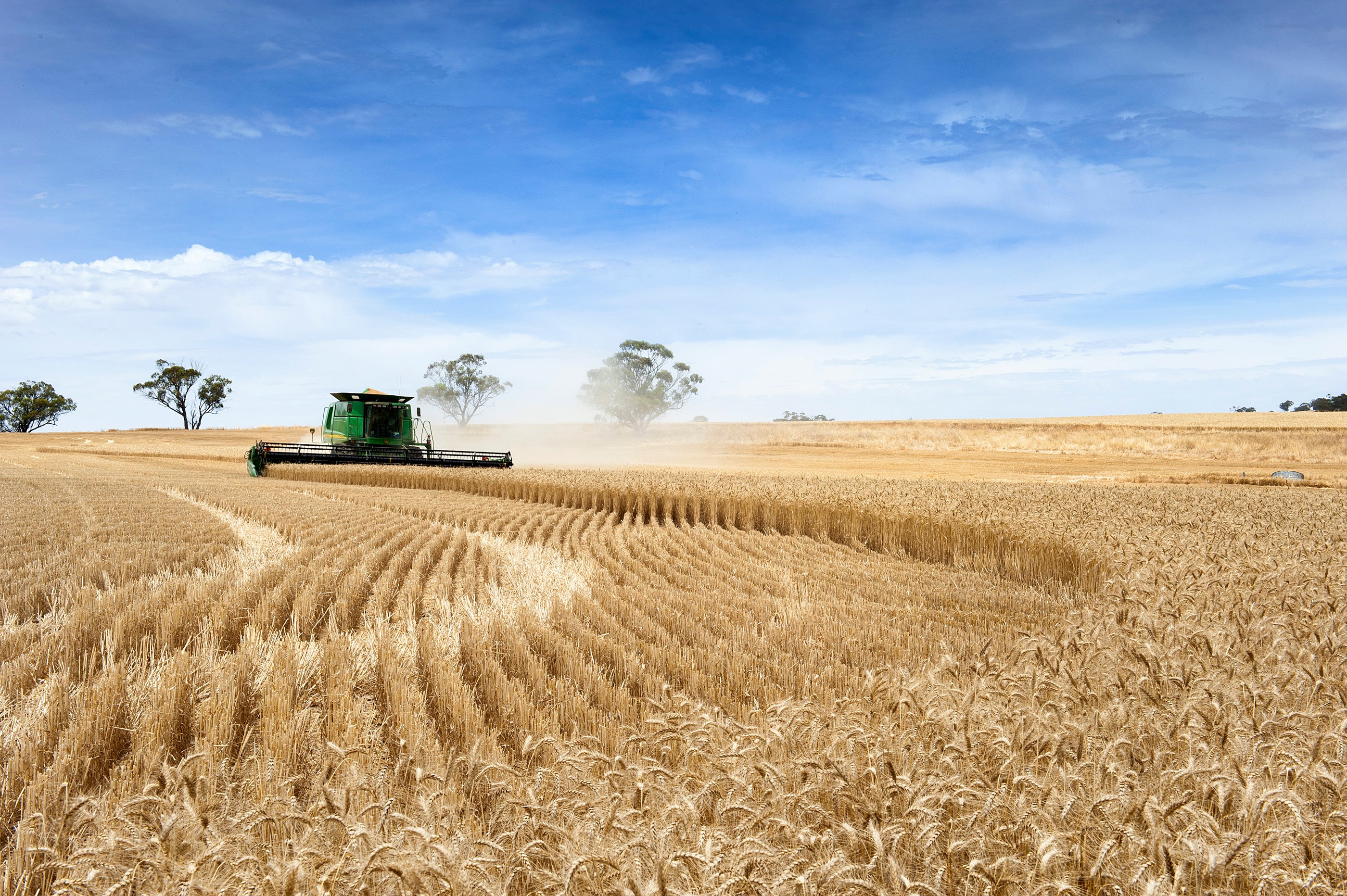
- Despite harvest delays from rain, lightning and fires, the Grains Industry Association of Western Australia (GIWA) estimates a record year for total Western Australian production, at 26.6 million tonnes. Refer to GIWA crop reports.
- In planning for next season, refer to the 2026 WA Crop Sowing Guide for updated information on variety choices for major crops grown in WA. The pulse section also features an agronomy and herbicide guide summary to support management decisions.
- Control summer weeds early to conserve valuable soil nitrogen and moisture for next season's crops. Refer to crop weeds for more information.
- For information to identify and manage crop pests and diseases throughout the season refer to PestFacts WA cropping resources.
Water
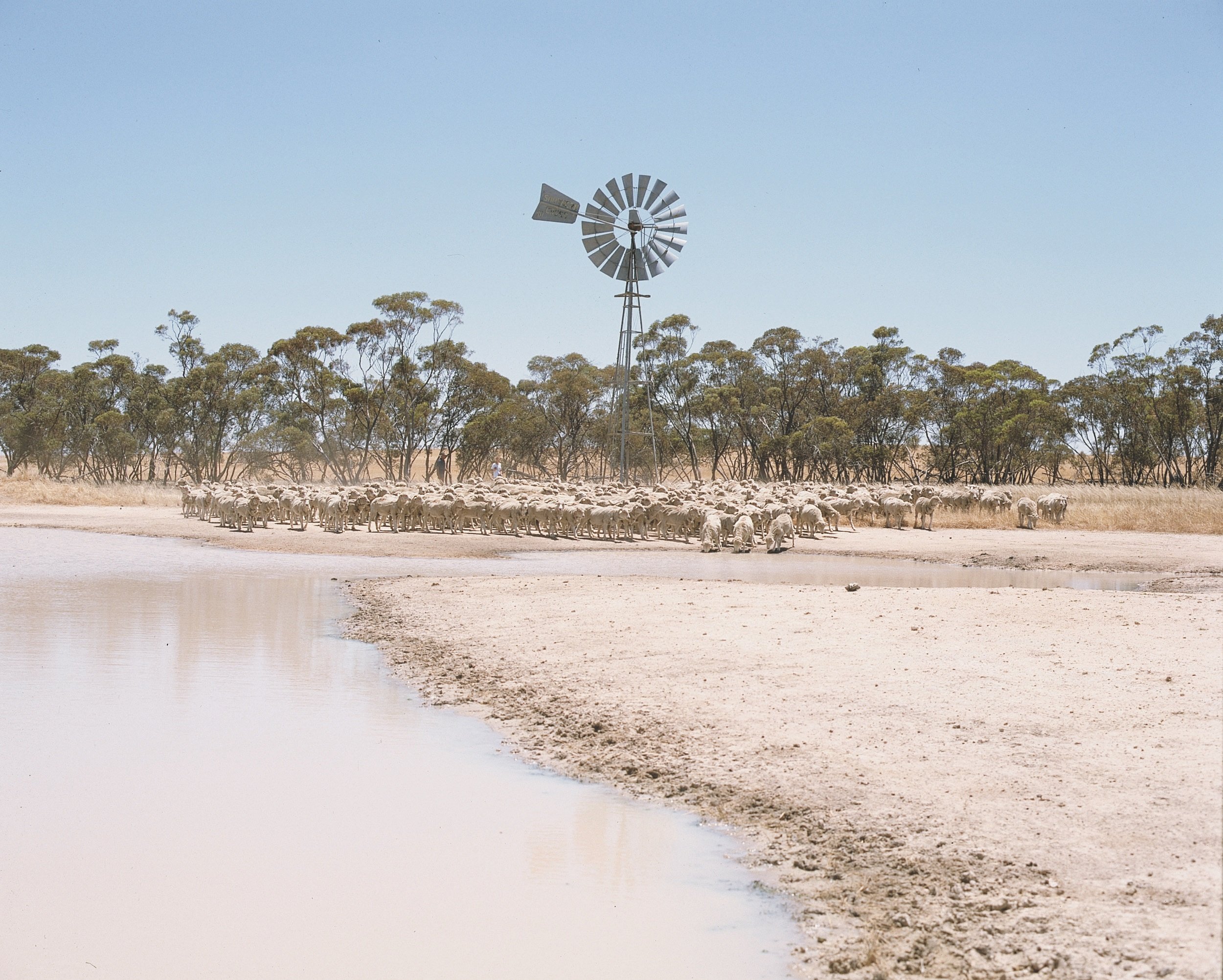
In areas where farm water supplies are inadequate, it is important to:
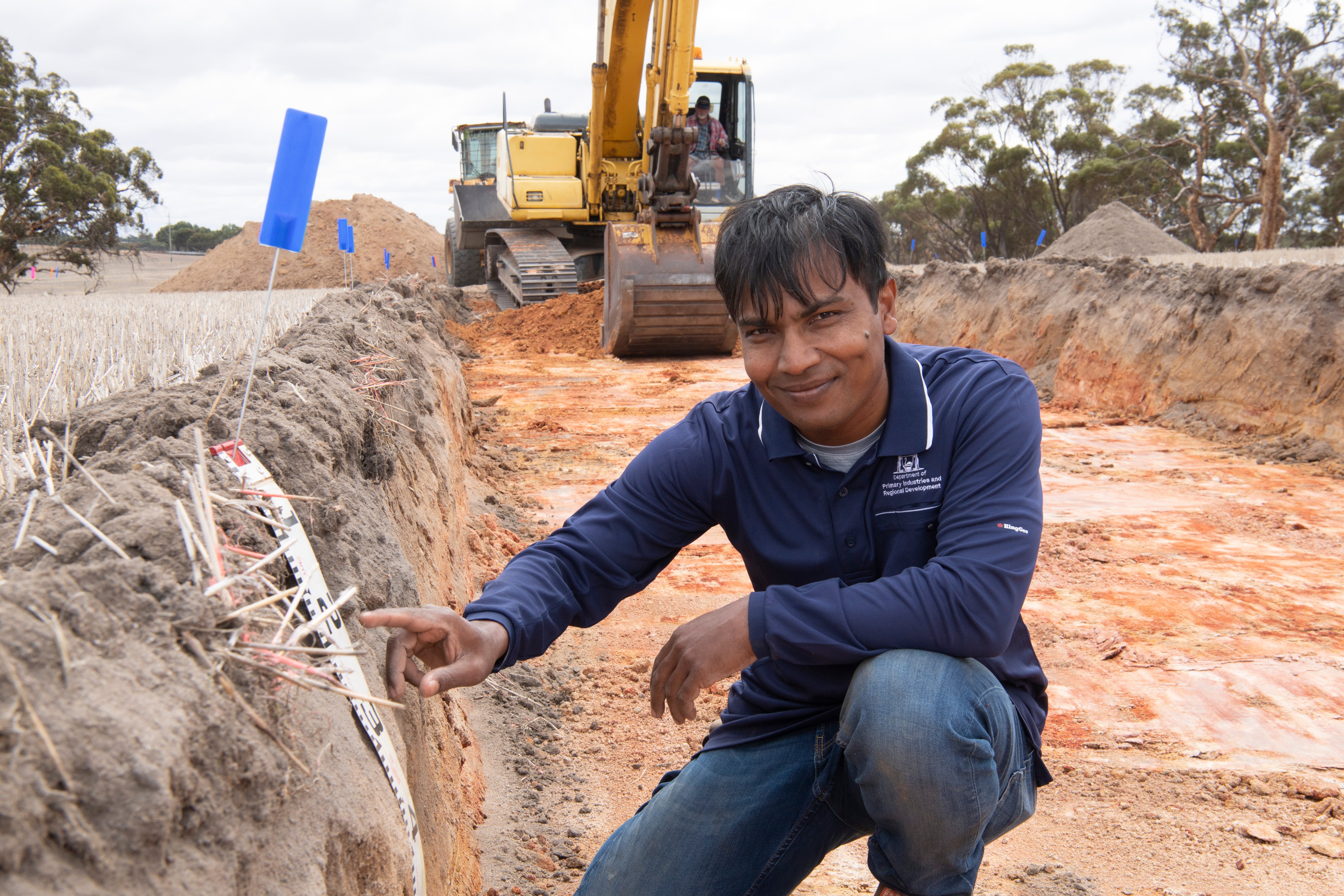
- Assess available water supplies and quality and bulk up water into as few remaining larger and deeper dams as possible.
- Calculate a water budget for livestock – before problems develop.
- Test all dams and bores being used for livestock and spraying as water quality (salinity) may not be suitable as levels drop.
- Groundwater desalination on farms: Please remember that you must submit a notice of intent to drain or pump water – desalination (NOI), together with the neighbour comments, to the Commissioner of Soil and Land Conservation at least 90 days before intended discharge.
- Plan now for maintenance of dams and roaded catchments.
Climate outlook
The Bureau of Meteorology’s seasonal outlook for December 2025 to February 2026 indicates a preference for below-normal rainfall for most of WA, especially for the Kimberley region. See the BoM’s seasonal outlook video for more details.
Many international climate models have a neutral rainfall outlook for the South West Land Division for this period, from their November runs.
The pattern of above normal temperatures continues into December, although with slightly elevated chances of extreme temperatures.
Check monthly updates in DPIRD's Seasonal Climate OutlookClimate resources
- DPIRD weather stations map
- Rainfall to date tool
- BoM weekly rainfall for the south-west forecast districts
- BoM weekly rainfall for the northern & eastern forecast districts
- Bureau of Meteorology: Water and land
- Climate data online (BoM daily rainfall and other local climate records)
- Australian CliMate app
- Animated global weather conditions affecting WA
Contact us
-
Christine Zaicou-KuneschFarming Systems ManagerGascoyne & Mid West
Related information
- SWWA Drought Hub's Dry season resources
- Water Corporation: Great Southern water supply
- Water Corporation: South West water supply
- Managing farm water supplies - Agriculture Victoria
- DPIRD Grains Convo podcast list
- DWER Rural water planning
- 2025 Season - Grain Industry Association of Western Australia